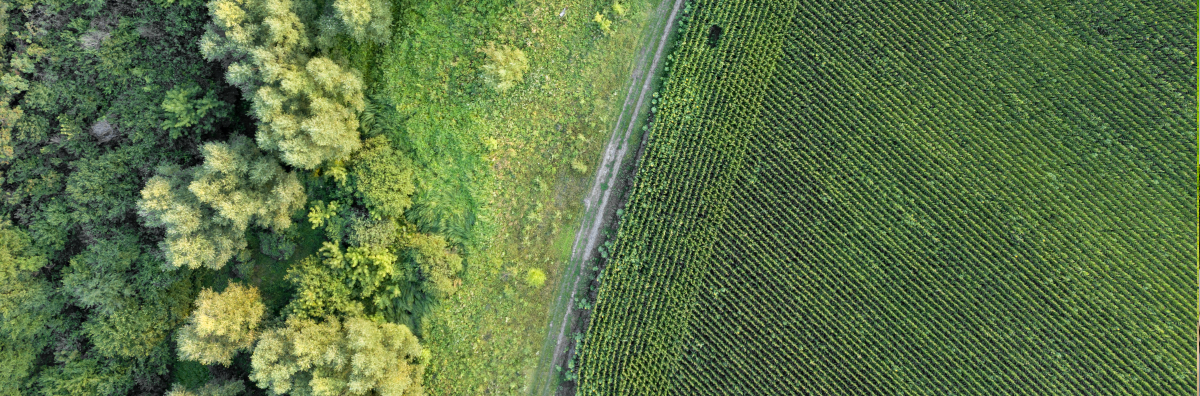
This chapter explains how different forms of land use reduce biodiversity, measured using the Mean Species Abundance (MSA) metric. Land occupation such as cropland, pasture, plantations, mines, and urban areas can remove natural habitat and decrease species abundance. The GLOBIO model captures three pathways—habitat loss, fragmentation, and disturbance—and estimates how each contributes to biodiversity decline. Habitat loss removes natural vegetation, fragmentation creates isolated patches, and disturbance occurs mainly around mining areas. For each landuse type, the model calculates how much MSA is lost per square kilometer of land occupied. These impact factors show how strongly landuse decisions influence the abundance of plants, mammals, and birds. Because the same MSA response curves are applied globally, the model does not account for regional differences in species richness. The chapter notes uncertainties due to variation in ecological datasets used to derive the MSA relationships. Impact factors are calculated per country by dividing total MSA loss by total landuse area, preserving comparability across regions.